
Solar panel installation in Dorset, built around the property.
Whether it is a terrace in Poole, a bungalow near Weymouth or a stone cottage inland, a surveyor looks at the roof before anything is specified, and you see the expected generation before you decide.
Free and no obligation. Payment options available on qualifying routes.
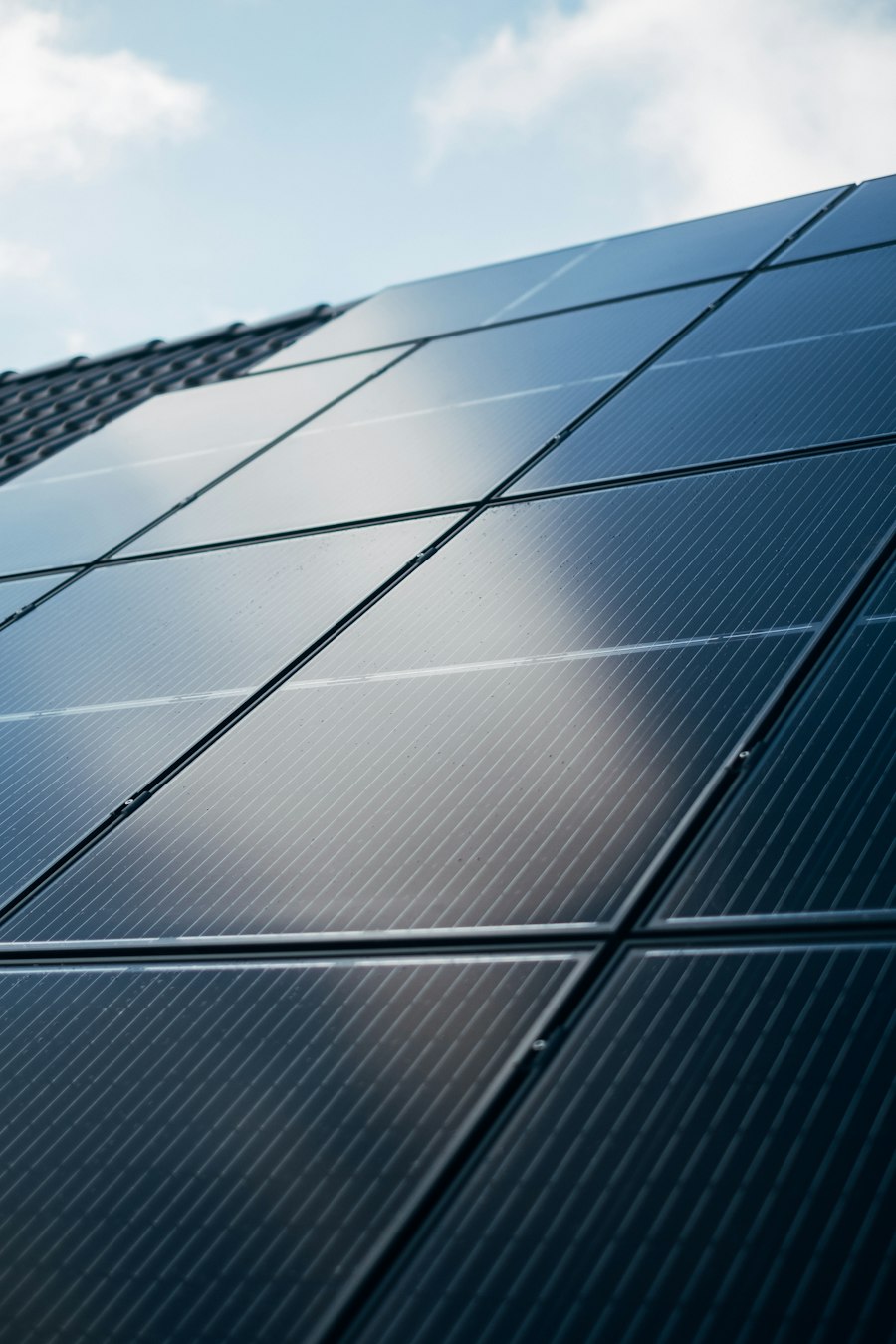 Solar panels ready for installation
How solar brings your electricity bill down.
Daylight turns into electricity the moment it reaches the panels, and the house uses that power before it takes any from the grid. Whatever the roof supplies directly is something your supplier does not bill you for.
Output is lower on dull days and in winter, so a full year is the fair measure: expected annual generation, and how much of it the household uses. A battery keeps more of the surplus for the evening, and what is left can potentially be exported for payment.
We work that out from your roof and your usage, not from a county sunshine figure. See what decides suitability in Dorset.
How a good installation is put together.
Fixings and waterproofing
Brackets matched to your roof covering, with the roof kept weathertight where fixings go through it.
Cable routes
Planned at the survey, so cabling is neat, protected and out of the way.
Equipment placement
The inverter, and battery if fitted, sited near the consumer unit with room to work on them.
Access
Scaffolding and safe working at height, set up the day before the fitters arrive.
Stone, slate and thatch.
Villages across Purbeck and inland Dorset are often built from local Purbeck or Portland stone, and thatch is still common on period homes. Stone and slate roofs need fixings matched to the material, and we check the condition of the covering at every survey.
Thatch is a no for panels: it cannot take the fixings or the load, and insurers are wary of it too. If your roof is thatched we look at a ground array or another building on the plot instead, and explain the options at the survey.
Roof-mounted, or somewhere else on the plot?
A roof covers most of the homes we quote, and it is usually the cheapest place to put panels where there is clear, unshaded space. Dorset also has plenty of larger rural plots, particularly inland and around the Blackmore Vale, where a ground-mounted array can beat forcing panels onto a shaded or awkwardly pitched roof.
The survey decides which is practical. Not every option suits every property, and planning rules still apply in designated areas.
Dorset systems we have fitted.
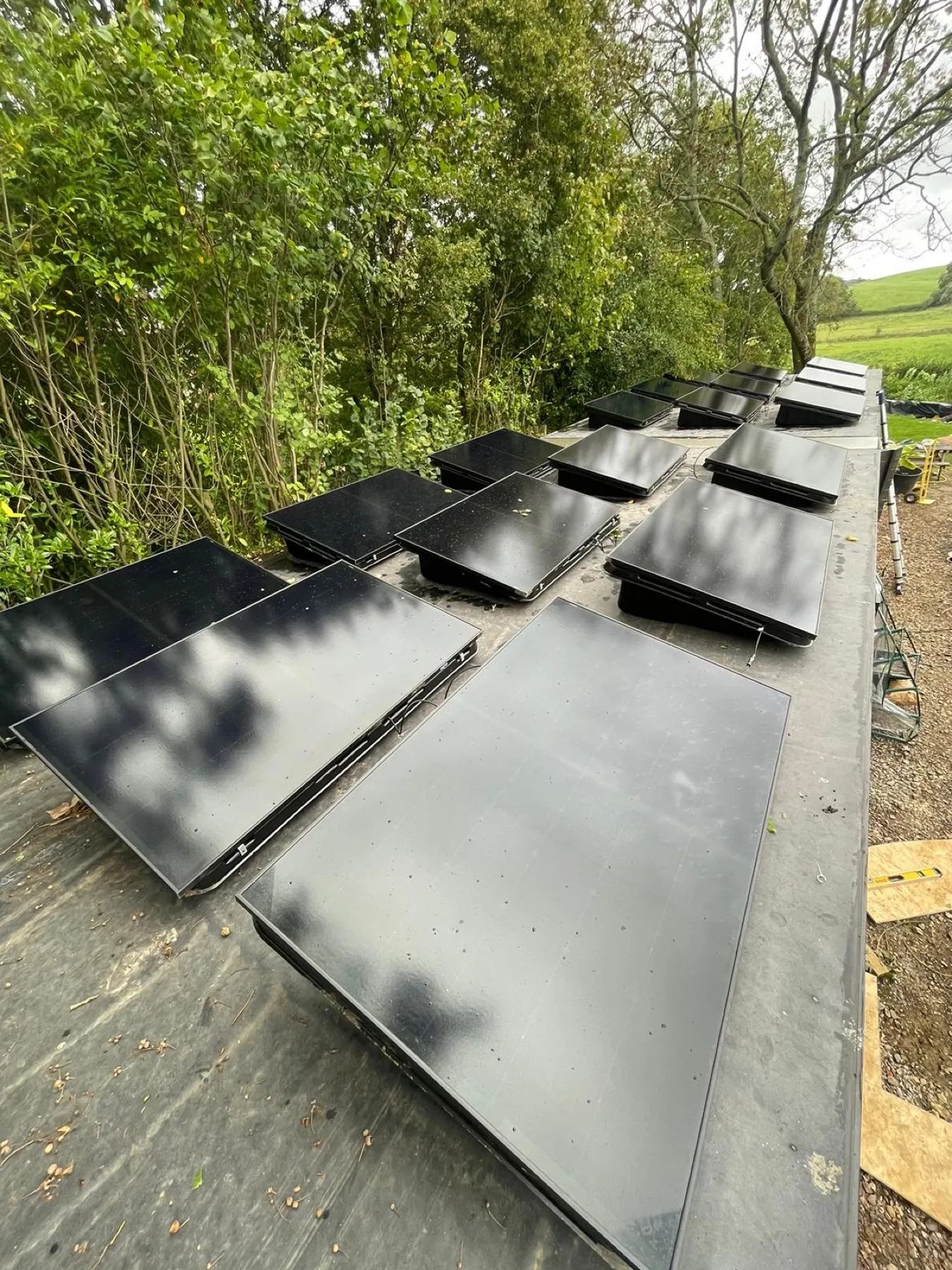
Caroline T.
Dorchester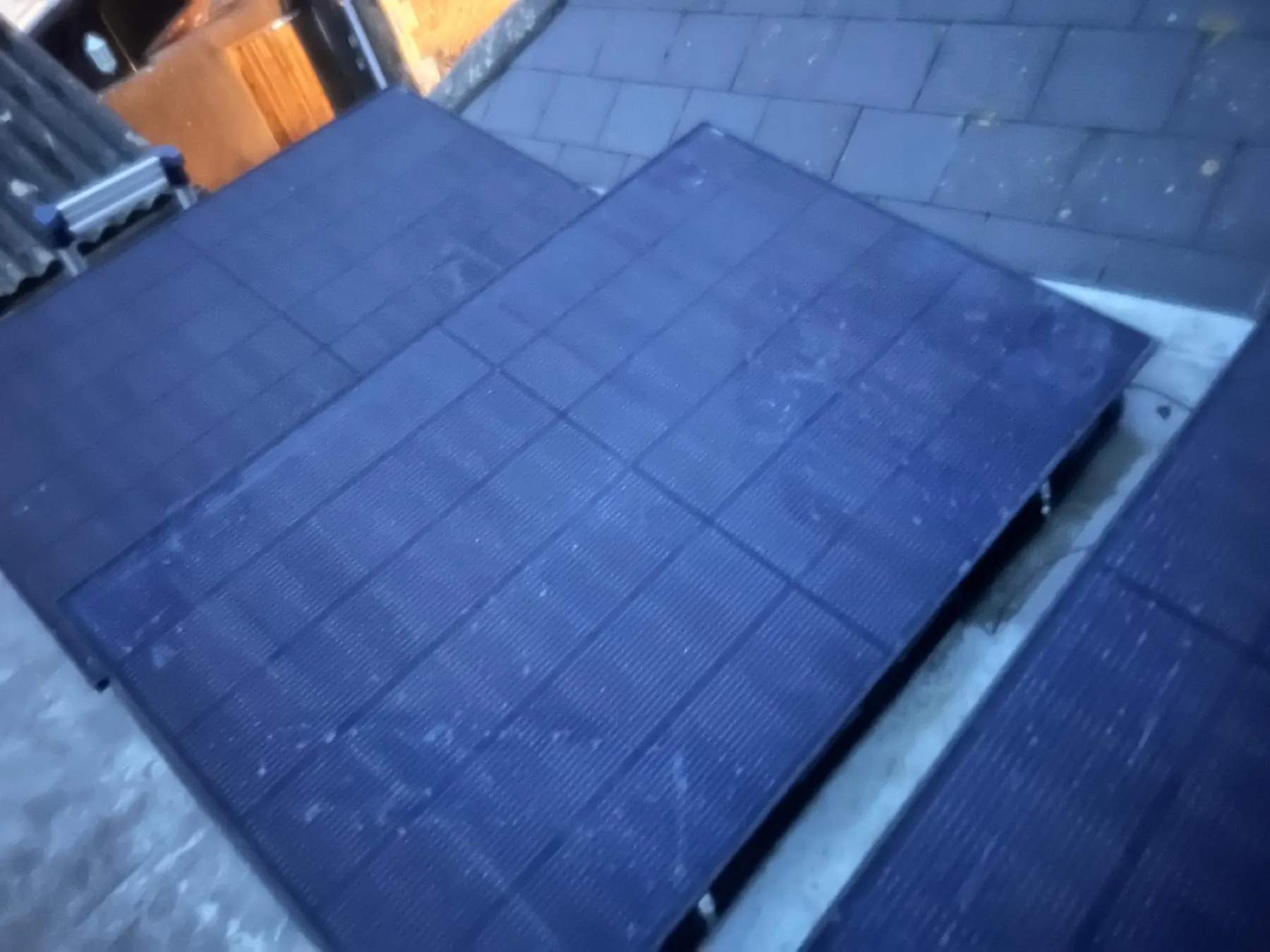
Chris H.
Wyke Regis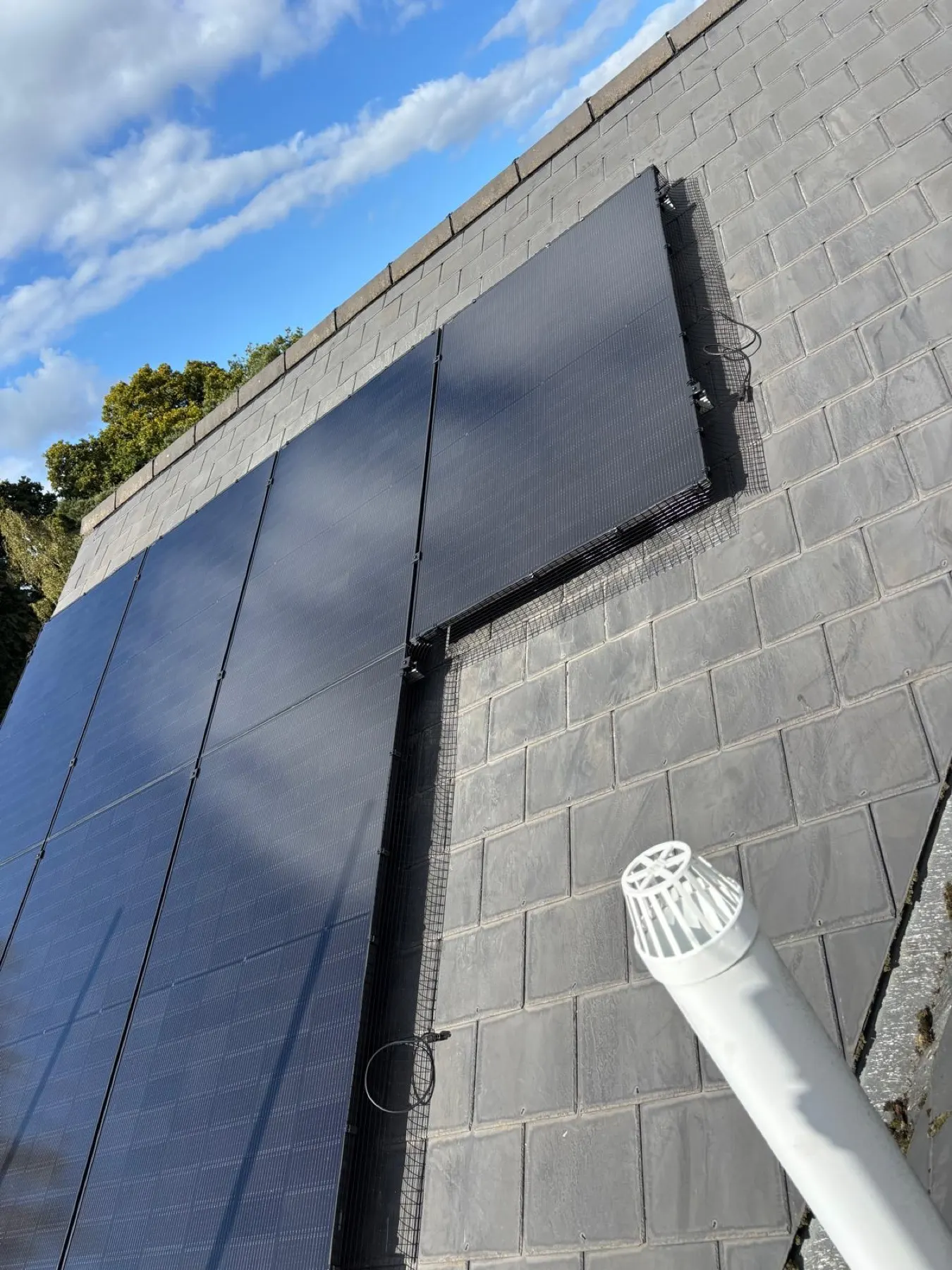
John M.
FerndownFigures are the estimated first-year benefit calculated for each customer's own system at the time of installation, based on MCS-standard assessment methodology. They are estimates, not guarantees, so actual savings vary with household usage, weather and electricity prices.
Battery now, or leave room for one.
Most of a panel's output arrives around lunchtime, when plenty of households are out. A battery shifts a share of it to the evening. Whether it pays depends on your usage, and bigger is not always better. Leaving space to add one later is a sensible choice too.
Understand the system first. Choose how to pay second.
Once the project price is known, compare paying outright with the finance routes currently available: monthly payments, selected short-term 0% offers and qualifying no-upfront-cost routes. Your proposal keeps price, projected benefit and payment route separate.
Solar and battery installations are also currently zero-rated for VAT, a relief that runs until 31 March 2027. A longer repayment term can lower the monthly cost but raises the total cost of credit.
Check your postcode before you price the project.
A current local installation offer may be available in some areas. Add your postcode to your property review and we'll confirm whether anything applies.
Finance is subject to status, affordability and lender approval. The installation team behind Dorset Solar acts as a credit broker, not a lender. Asking about payment options is not a finance application and won't affect your credit file.
What your Dorset proposal should show.
Every figure in a proposal rests on assumptions, and you are entitled to see them. This is what yours should set out:
The system
Panels, inverter and size in kWp, and where each goes.
The output
Expected annual generation and the shading allowed for.
The benefit
Roughly how much the household will use itself, and the export assumptions.
The battery
Capacity and set-up, where one is included.
The protection
Warranties, and how the performance figures are checked.
The money
Project price, and finance details where you ask for them.
Where EPVS validation applies, the performance assumptions are independently checked. The team behind Dorset Solar is MCS certified and TrustMark registered.
Solar questions, answered.
How long does installation take?
One to two days for most homes, depending on system size and roof access. Scaffolding usually goes up the day before, and your installer walks you through the system before leaving.
Will I need planning permission?
Most Dorset properties fall under permitted development, so no application is needed. Parts of the county sit within the Dorset National Landscape (formerly the AONB), where permission can be required even for work that would be permitted elsewhere. See our Why Dorset page for the detail.
How do solar panels actually work?
Panels are made of photovoltaic cells, almost always monocrystalline silicon on modern homes. They produce direct current (DC) in daylight, and an inverter converts it into the alternating current (AC) your home uses or sends it to charge a battery.
Which inverter will I need?
A string inverter runs the whole array and is the cheapest option for a simple, unshaded roof. Microinverters put a small unit behind each panel, which helps where a chimney or dormer shades part of the roof. A hybrid inverter is built for batteries, so it is the sensible choice if one is planned now or later.
What upkeep and warranties should I expect?
Panels have no moving parts. An occasional check for moss, debris and, near the coast, salt residue is usually enough. Manufacturers typically back panels with a 25-year-plus performance warranty on top of a shorter product warranty, and we add workmanship cover. Exact terms are confirmed in your proposal.
Build the wider home-energy plan.
Battery Storage
Hold some of the day's output back for the evening. Compare home battery storage →
EV Charging
Run the car on your own generation. Check EV charger options →
Why Dorset
What decides whether your roof suits solar. Check suitability →
Review your property
Tell us a little about your home and what you're considering. We'll use it to review likely suitability and the next step.
Free and no obligation. Asking about payment options is not a finance application and won't affect your credit file.
No obligation to proceed. If the property looks suitable, a member of the solar team may contact you to clarify the details before a proposal is prepared.