
Solar designed around your Dorset roof, not forced onto it.
Good installs begin with the roof, the wiring and the way your household uses power. A survey comes first, then you see what the system should produce and how the payment options compare, with no obligation to proceed.
Free to ask, no obligation to proceed. Payment options for qualifying routes.
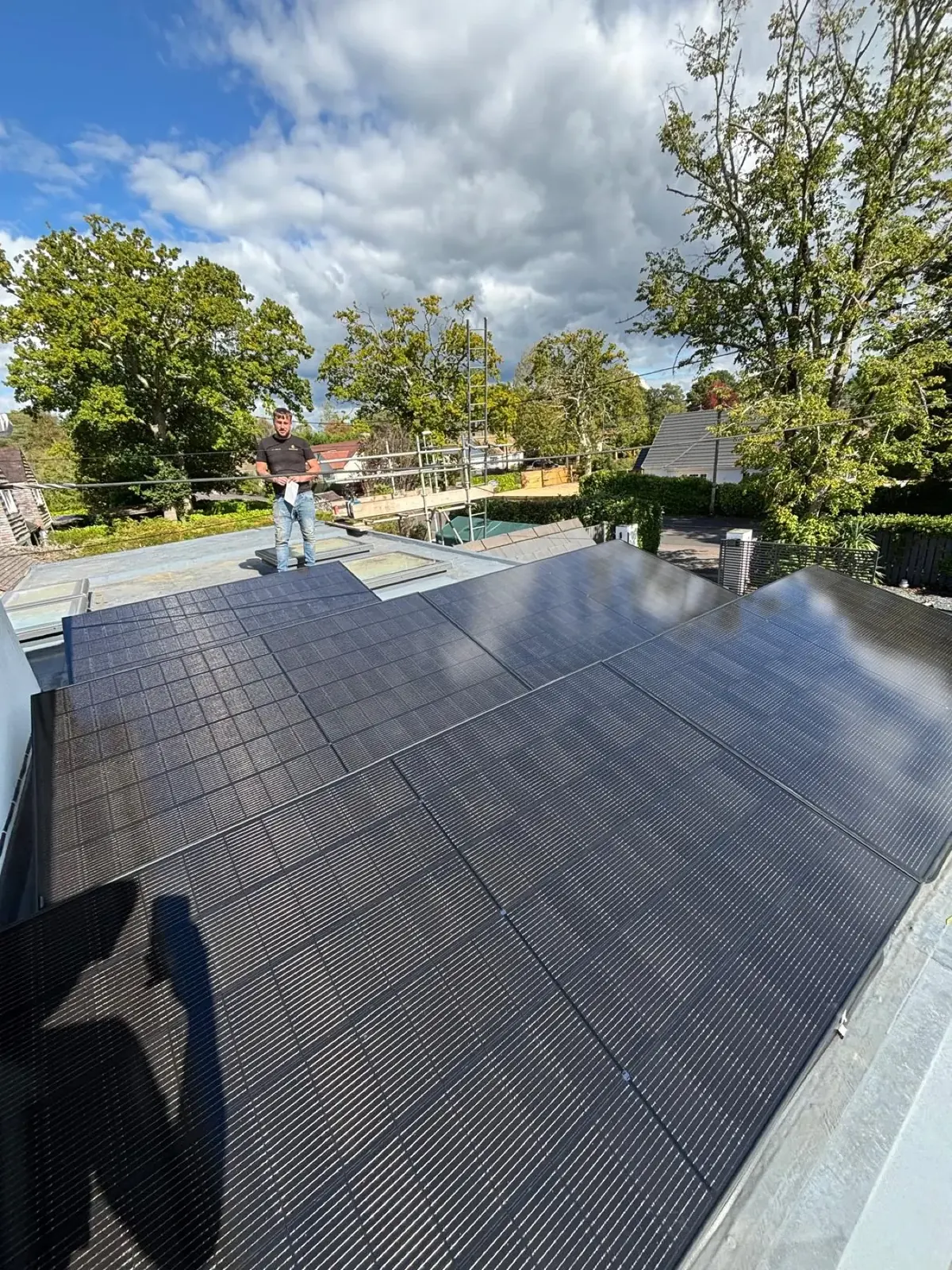 Ferndown, Dorset
Free to ask, no obligation to proceed. Payment options for qualifying routes.
Real Dorset roofs, from Ferndown to Weymouth.
Homes in Ferndown, Dorchester, Weymouth, Wyke Regis, Blandford Forum and Poole all sit below. Each was designed around its own property, and each estimate was worked out when the system went in.
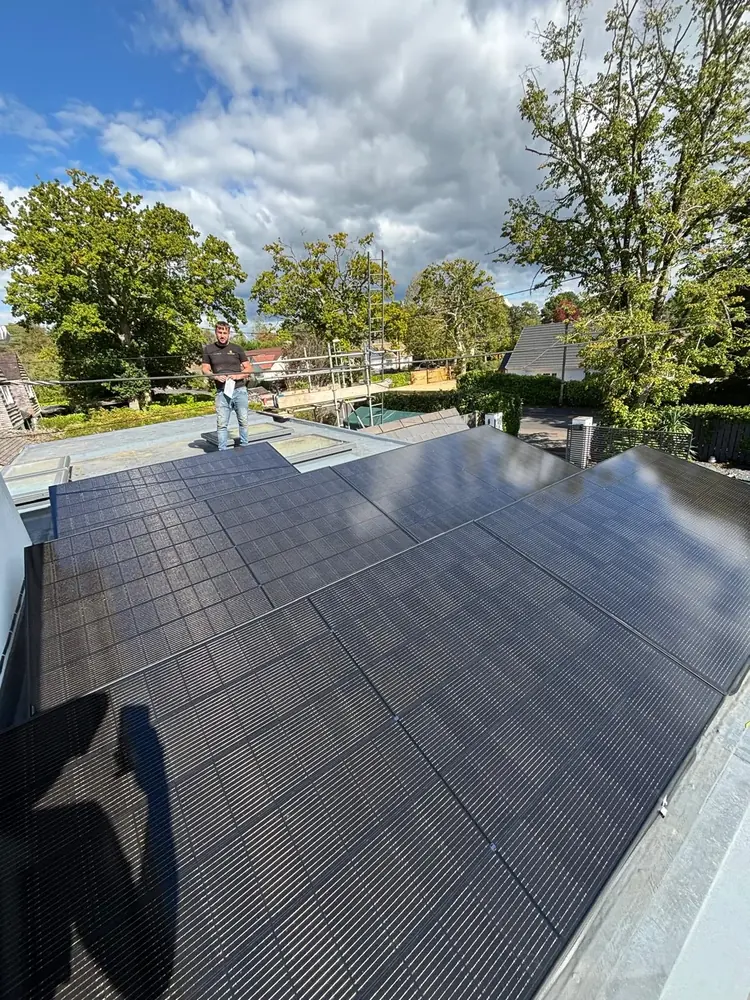
John M.
Ferndown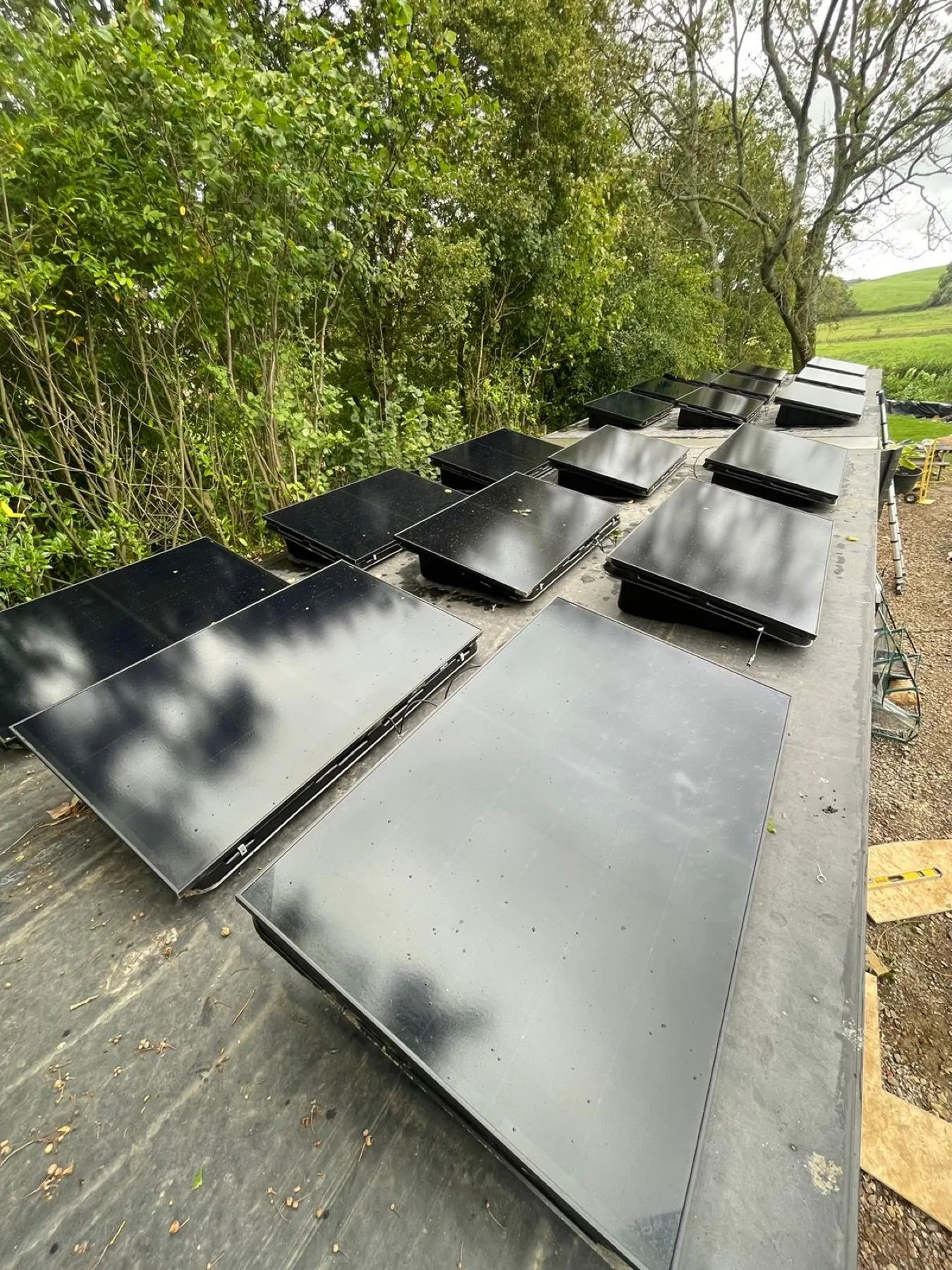
Caroline T.
Dorchester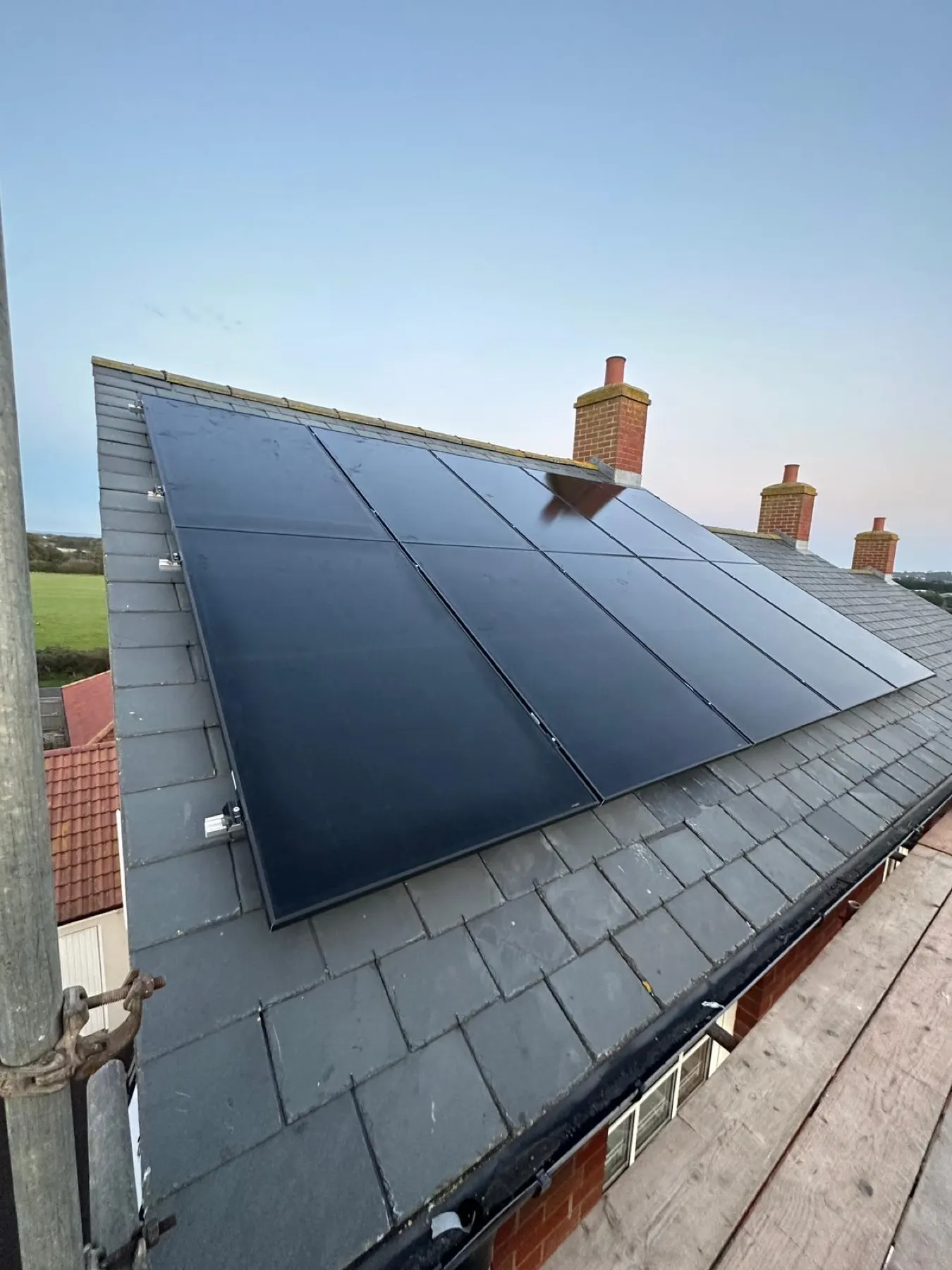
Vikki W.
Weymouth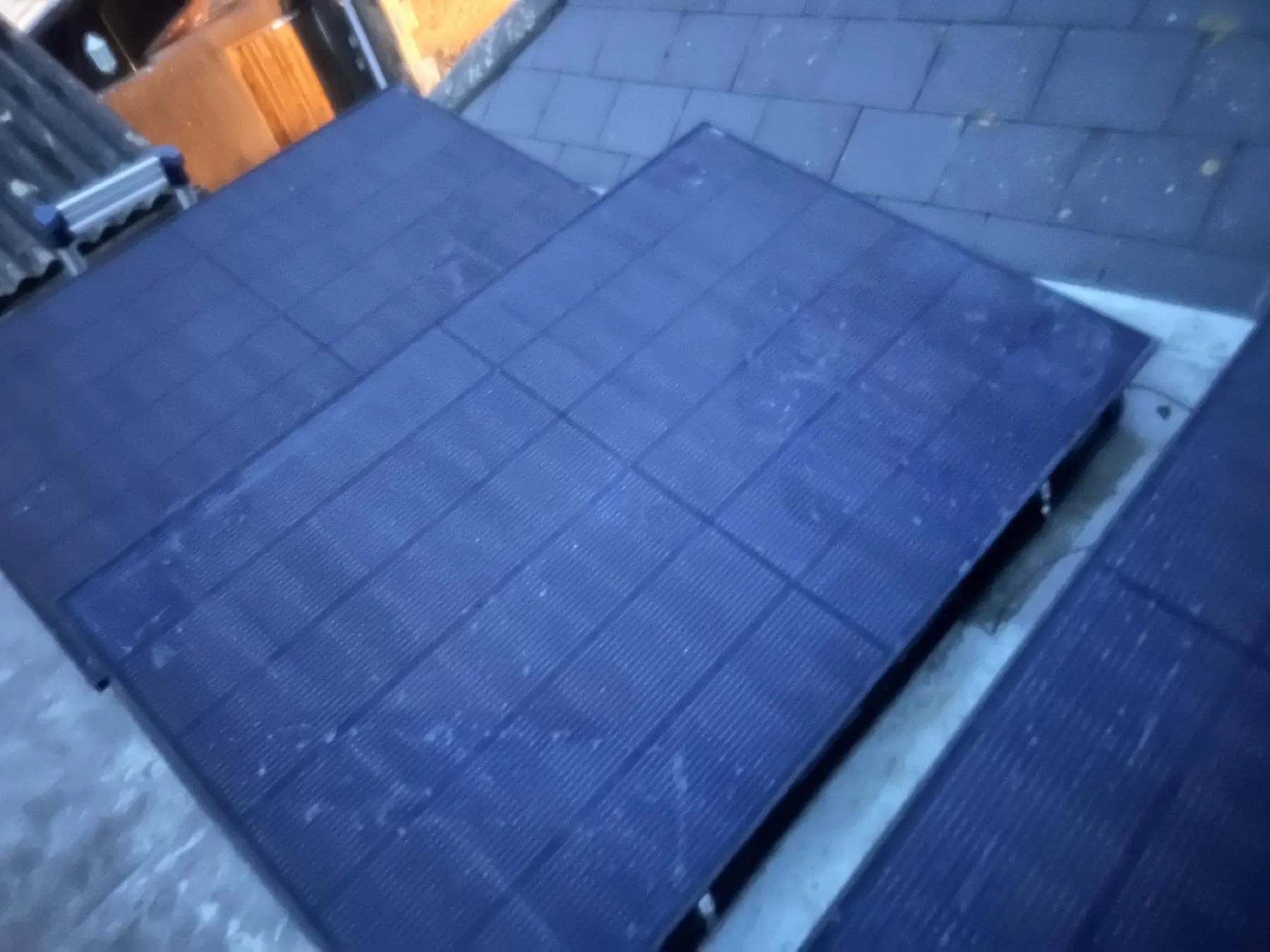
Chris H.
Wyke Regis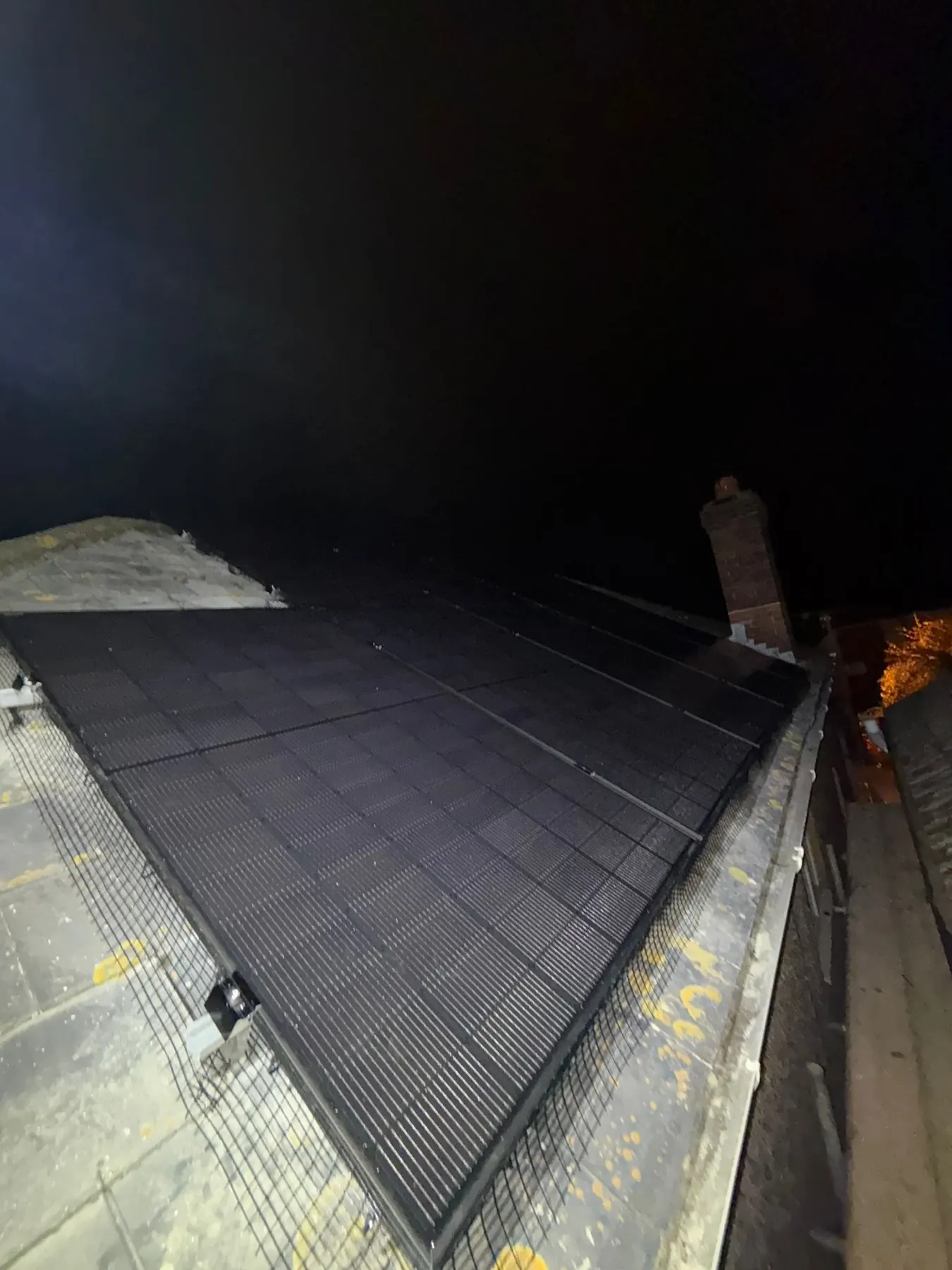
Simon W.
Blandford Forum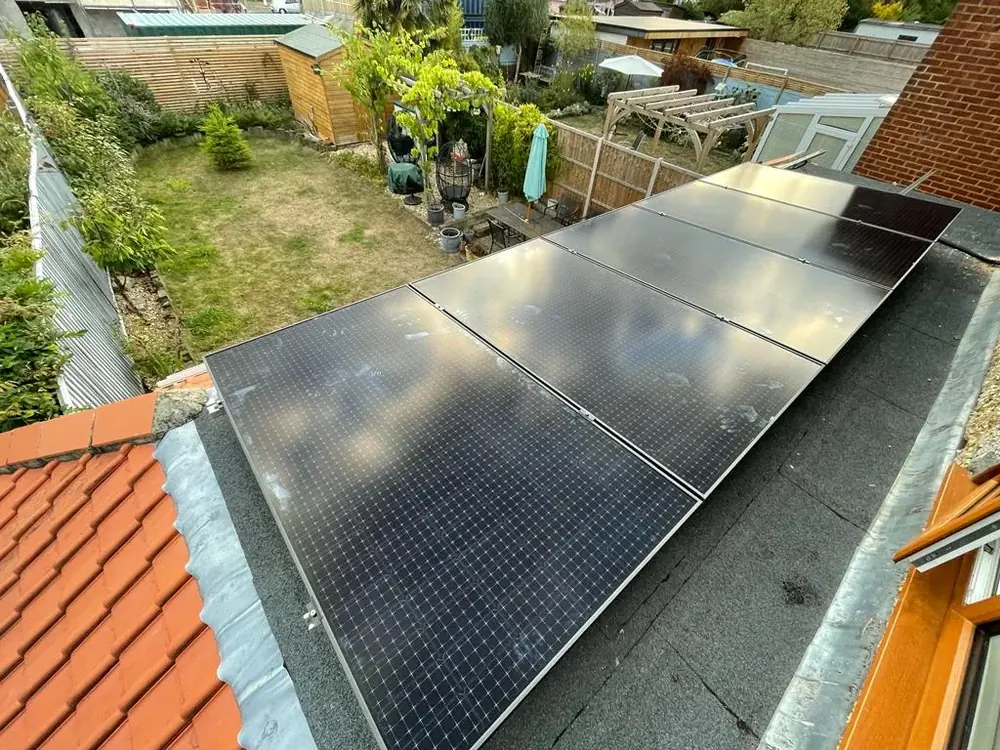
Bryan J.
PooleSee how solar could fit your roof.
Pop in your postcode and we'll review what could work on your property. Free, and no obligation.
The numbers differ because the homes do: panel count, battery size and how the household uses power.
Figures are the estimated first-year benefit calculated for each customer's own system at the time of installation, based on MCS-standard assessment methodology. They are estimates, not guarantees, so actual savings vary with household usage, weather and electricity prices.
The installation matters as much as the panel.
A good panel on a badly fitted roof is a poor result. Fixings, waterproofing, cable routes and where the equipment sits are all decided at the survey, not on the day.
Fixings matched to your roof
Slate, tile, stone or pantile: each covering needs the right brackets and the roof kept weathertight where they go through. Thatch cannot take panels at all, so we check what is on your roof before anything is specified.
See solar installation in Dorset →Sized to your evenings
A battery sits near your consumer unit and inverter, and is sized to the electricity you actually use after dark, not to a standard recommendation.
Compare home battery storage →Planned with the rest
A charger gets its own circuit and a tidy cable route, planned alongside any panels or battery so the equipment works together.
Check EV charger options →See what the system should generate before you decide.
- A real survey.Someone looks at your roof, shading and electrics in person before a proposal is written, not a satellite estimate or a guess from a photo.
- The assumptions in writing.Your proposal sets out system size, expected annual generation, shading allowances and how much of it the household is likely to use. Where EPVS validation applies, those performance figures are independently checked.
- Named hardware.Options include Eurener panels with Fox ESS, Duracell and Growatt batteries and inverters, and the equipment named in your proposal is what we fit.
Equipment and accreditations








Understand the system first. Choose how to pay second.
When the project price is known, put paying outright beside the finance routes on offer at the time. Your proposal lists the price, the projected benefit and every payment route as separate items, so the meaning of each is clear.
Pay outright
Pay the project price once and the system is yours outright.
Monthly payments
Spread the price over fixed monthly repayments where you qualify. A longer term lowers each payment and raises the total credit cost.
No-upfront and 0% routes
Some households can start with nothing to pay upfront, and short-term 0% offers appear on selected products at times. Both depend on your circumstances, so raise them once the price is settled.
Check your postcode before you price the project.
Some areas have a local installation offer running at the moment. Put your postcode into your property review and we will say whether anything applies.
Finance is subject to status, affordability and lender approval. The installation team behind Dorset Solar acts as a credit broker, not a lender. Asking about payment options is not a finance application and won't affect your credit file.
Coastal property? Survey first.
Sea air, wind and older roof coverings are part of the design on Dorset's coast, not a reason to put solar off. They shape the fixings, the equipment and the upkeep, and we plan for them before anything is quoted.
Inland, the questions change: stone slates, thatch and long cable runs out to outbuildings. The survey covers whichever applies to you.
Stone cottages and thatched roofs need their own approach.
Many of Dorset's older villages are built from local Purbeck and Portland stone, and thatch is still common on period properties. Neither takes a generic bracket, so roof type and construction are checked at every survey before anything is quoted. Properties inside the Dorset National Landscape, or in a conservation area around the older market towns, sometimes need planning permission that would not otherwise apply, and we flag that when you enquire, not after a survey.
What happens when you ask.
Tell us about the property
A few quick questions on the house, your electricity use and any EV or heat pump to come.
We check it first
We see whether the roof and set-up are worth surveying. Someone from the solar team may get in touch to fill gaps.
Survey and written proposal
A surveyor visits, then you receive system size, expected generation, warranties and payment routes in writing.
You decide
Nothing is agreed by asking. Should you go ahead, a typical fit takes a day or two.
Installing across Dorset.
Coverage runs from Bournemouth, Poole and Christchurch through Dorchester and Weymouth to Purbeck and the north and west of the county. Add your postcode to your property review and we will check your address.
Questions about Dorset roofs.
Does coastal weather affect mounting?
Weather near the shore is considered at survey. Homes close to the sea catch stronger wind and more salt, so the fixings, equipment and upkeep plan allow for it. It shapes the specification and does not rule solar out.
What if my roof is older?
Age alone is rarely the issue; condition is. We check the covering, the structure under it and any repairs due, since a worn roof is better dealt with before panels are fitted. Stone and slate need matched fixings, and thatch cannot carry panels directly.
What planning restrictions apply in conservation or designated areas?
Most Dorset homes are permitted development, though conservation areas, listed buildings and the Dorset National Landscape can bring extra steps. Listed building consent is always required for a listed property. We raise it early, before any proposal is drafted.
Review your property
Tell us what you know about the house and anything you are thinking of adding, and we will review whether it looks suitable and what should happen next.
Free to ask, no obligation to proceed. Payment options for qualifying routes.
Sending this agrees nothing. If the property looks right for a survey, a member of the team might ask for a few more details.